Hair system vs hair transplant
One is surgical and permanent but slow to arrive. The other is non-surgical and immediate but needs upkeep. Neither is universally better — here's an honest look at the trade-offs so you can decide which fits.
If you've been researching your options, you've probably noticed how partisan the conversation can get. Transplant clinics rarely mention systems; system studios rarely mention surgery. We think that does people a disservice. Both are legitimate ways to address hair loss, and the right one genuinely depends on your stage of loss, your timeline, your budget and your appetite for surgery.
So this is a deliberately even-handed comparison. We fit non-surgical hair systems, and we'll be upfront about that, but a transplant is the better answer for some people — and we'll say so plainly where it's true.
The fundamental difference
A hair transplant is a surgical procedure. A surgeon harvests follicles from the back and sides of your scalp — where hair is genetically resistant to loss — and relocates them, one graft at a time, into thinning or bald areas. Once those follicles take, they grow your own hair for life. It is, in the right candidate, a permanent redistribution of the hair you already have.
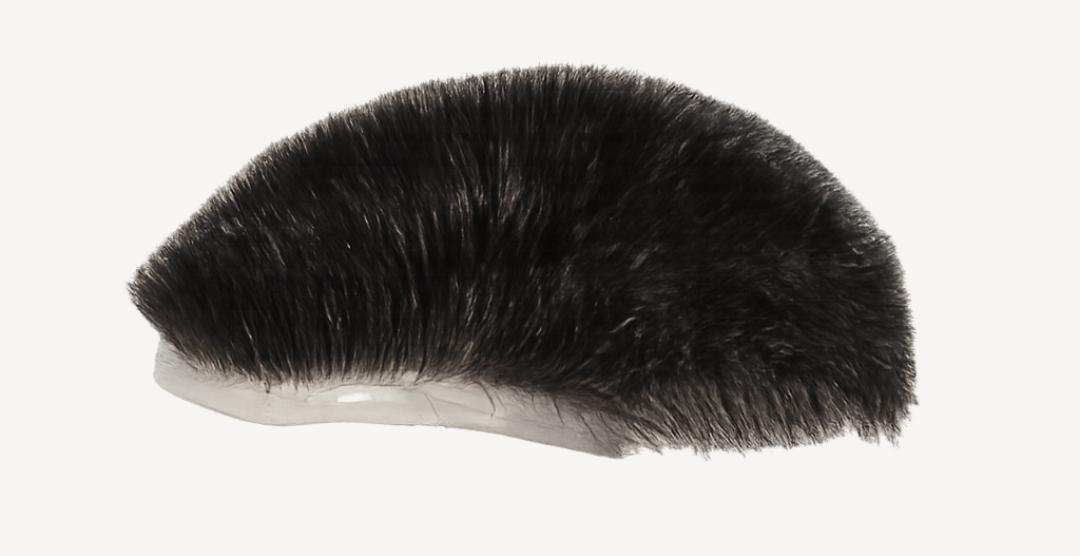
A hair system is non-surgical. It's a fine, breathable base hand-knotted with real human hair, bonded to your scalp and cut into your own hairline so it's undetectable. There's no operation, no recovery, and it's reversible — it comes off and goes back on as part of routine maintenance. It's fitted in a single appointment, and you walk out with a full head of hair the same day.
In short
- Transplants are surgical and permanent but take many months to grow in and depend on donor hair.
- Systems are non-surgical, immediate, reversible, and work at any stage of loss.
- Transplants suit earlier, well-defined loss; systems suit any stage and anyone wanting an instant result.
Timeline to results
This is one of the starkest contrasts, and it surprises people. A transplant does not give you hair on the day. The transplanted hairs typically shed within the first few weeks — a normal, expected phase — before the follicles settle and begin growing. Meaningful results usually take many months, and the final picture can take a year or more to mature.
A hair system gives you the result the same day. You arrive with thinning or baldness and leave with a full, styled head of hair. For anyone with an event, a new job, or simply a sense that they've waited long enough, that immediacy matters a great deal. Our guide on your first week with a hair system walks through what those early days are actually like.
A transplant is an investment in the future; a system is an answer for today. Which matters more is a personal call, not a technical one.
Suitability by stage of loss
Transplants depend on donor supply. The surgeon can only move hair you already have, so there has to be enough healthy donor hair at the back and sides to cover the area you want filled. In earlier, well-defined loss — a receding hairline, a contained crown — there's often plenty to work with and results can be excellent. In advanced loss, the donor area may simply not contain enough hair to create natural density across a large scalp, and even a skilled surgeon is limited by that arithmetic.
A hair system has no such ceiling. Because the hair is added rather than relocated, it works the same whether you're thinning slightly or have lost the lot. Stage of loss doesn't restrict it. If you understand where you sit on that spectrum — our piece on why hair loss happens and when to act explains the stages in plain terms — you'll have a clearer sense of whether surgery is even on the table.
Cost, compared
Transplant pricing varies widely and depends on how many grafts you need; a substantial procedure can run into several thousand pounds, paid up front, with the possibility of a second procedure later as loss continues elsewhere. It's a large one-off outlay with no guaranteed final figure until you're assessed.
Hair systems are a smaller entry cost with ongoing upkeep. All three of ours are £495 — Signature Silk, Platinum Hybrid and Executive Lace — with an extra £50 if longer hair is required, and maintenance around £60 every four to six weeks. There's also a monthly plan from £300 to begin and £85 a month after that. Over many years the running costs add up, so neither is straightforwardly "cheaper" — it depends on your time horizon. We lay the numbers out fully in what a hair system actually costs.
Reversibility and commitment
A transplant is permanent. That's its great strength and also the reason to be sure. Once follicles are moved, they're moved; the design of your hairline and the use of your donor hair are decisions you live with. A good surgeon plans for the fact that your remaining hair may continue to thin around the transplanted area over time.
A system is reversible by design. You're not committing to anything irreversible — if your circumstances or preferences change, you simply stop. That flexibility appeals to people who don't want to make a permanent decision, or who want to try having their hair back before deciding anything bigger.
Risks and upkeep
Every surgery carries some risk. A transplant is generally safe in competent hands, but it involves a recovery period, potential for scarring at the donor site, swelling, and — as with any procedure — the chance that results don't match expectations. Ongoing transplanted hair needs no special care beyond your normal routine, which is a real long-term convenience.
A system carries no surgical risk, but it does ask for commitment of a different kind: regular maintenance to keep it clean, secure and looking its best. That's not a drawback so much as a different shape of effort — studio time every few weeks instead of a one-off operation. Our guide to caring for your hair system sets out exactly what that involves.
Can they work together?
Sometimes, yes — and it's worth knowing. Some people wear a system now for an immediate result and consider surgery later. Others use scalp micropigmentation alongside either approach to add the look of density or to refine a hairline. The point is that these aren't sealed-off camps; a good plan can borrow from more than one.
So which is right?
If you have earlier, contained loss, good donor hair, the budget for a one-off procedure and the patience to wait a year for results, a transplant may be an excellent fit — and we'll tell you so. If you want hair today, you're at any stage of loss, you'd rather not have surgery, or you value the option to change your mind, a hair system is hard to beat. Many people sit somewhere in between, and that's exactly what a consultation is for.
We'll give you an honest read on where you stand, including whether surgery might serve you better than what we offer. There's more in our frequently asked questions, but nothing replaces a proper look in person. If you want a lighter starting point first, our two-minute quiz points you toward which base and route are likely to suit you.
Weigh it up honestly
Book a free, no-obligation consultation and we'll talk you through both routes plainly — including when a transplant might suit you better.
Book a free consultation