Is a hair system safe? Does it actually damage your hair or scalp?
A fair question, and one worth a real answer rather than a reassuring brush-off. Here's what actually causes tension damage to hair and scalp, why professional fitting is built specifically to avoid it, and the signs worth knowing regardless.
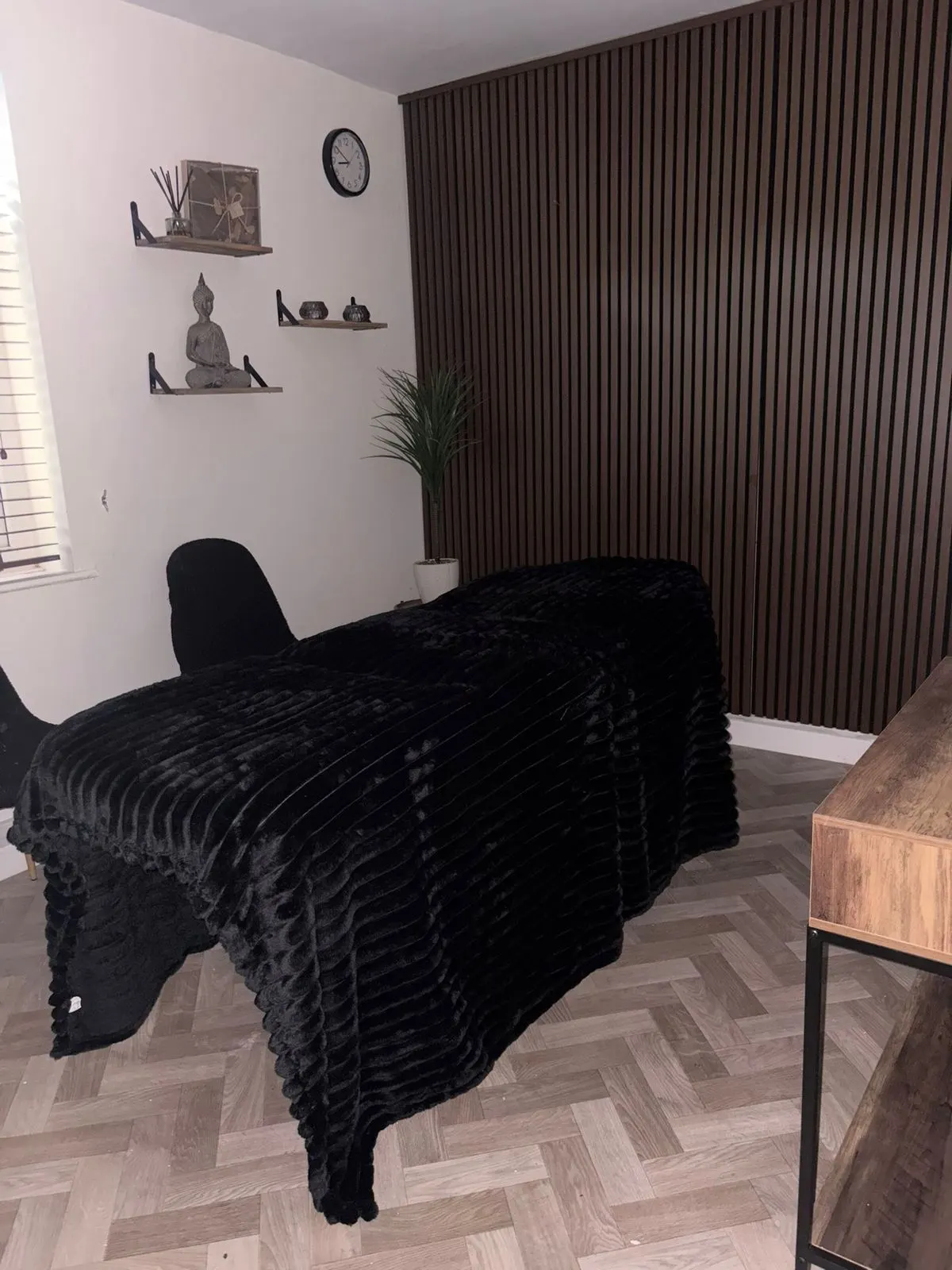
It's one of the most sensible questions anyone considering a hair system can ask, and one of the least honestly answered online: does wearing one damage your natural hair or your scalp? The short answer is no, not when it's fitted, maintained and removed properly. But "trust us" isn't a real answer to a question about your own scalp, so this is the longer, sourced version — what actually causes hair and scalp damage from a bonded hairpiece, and where the real risk genuinely sits.
The real mechanism is tension, not the hairpiece itself
The relevant medical condition here is traction alopecia — hair loss caused by sustained, repeated pulling on the hair. The British Association of Dermatologists is clear about where it typically comes from: tight ponytails, tight buns, braids such as cornrows, and the attachment of weaves or hair extensions. What these all have in common is the same mechanism — repeated force concentrated on the same hairs, at the same points, over and over.
That's the actual thing to understand, and it's a more useful question than "does a hair system damage hair" in the abstract. A hair system that's correctly sized and bonded distributes its hold across the whole base rather than gripping isolated strands the way a tied-back ponytail or a woven-in extension does. It isn't retied or re-tensioned daily the way a hairstyle is. Get the sizing, the adhesive and the fitting right, and the specific mechanism the BAD describes — concentrated, repetitive pulling on the same hairs — is exactly what professional fitting is built to avoid.
The condition to understand isn't "hairpieces damage hair" in the abstract — it's tension, concentrated and repeated on the same hairs.
Where the real risk actually comes from
It isn't the concept of a bonded hair system — it's poor execution of one. A base fitted too tight, the wrong adhesive for someone's skin, an uneven bond, or trying to re-bond or remove a system at home without the right products or technique. These are handling problems, not properties of hair systems as a category, and they're avoidable with the right training. It's why re-bonding, removal and any colour or styling changes stay part of a regular maintenance visit at Hair Aesthetics Club rather than something we'd ever suggest doing yourself between visits — see our guide to tape vs glue adhesive for how that's actually handled, and our hair system care guide for the full day-to-day routine. The same logic applies right at the start, before a base is even on your head — see our DIY kits vs professional fitting comparison for why that first decision carries the same handling risk as anything that happens afterwards.
If a base is sized correctly and the adhesive suits the wearer's skin, there shouldn't be the kind of constant, localised drag that traction alopecia needs to develop. That's a reasonable inference from how the mechanism works, not a guarantee for every possible case — which is exactly why the warning signs below are worth knowing regardless of how confident the fitting felt on the day.
The warning signs worth knowing
According to the BAD, early traction alopecia can present as itching, soreness or increased flaking of the scalp. As it progresses, you might see redness, small spots, or flakes of skin attached to hairs near the edge of the affected patch — what dermatologists call a "hair cast" — with a fringe of finer, unaffected hairs at the margin furthest from the tension. None of this is exclusive to hairpieces; it's the general presentation of tension-related hair loss, whatever the cause.
The genuinely reassuring part, sourced directly from the BAD's own guidance: caught early, traction alopecia can fully recover once whatever is causing the tension stops, with regrowth typically starting around three months later. It's only long-standing, repeated tension that risks permanent damage to the hair follicle. So if you ever notice soreness, itching or thinning specifically around the edge of your base, the right move is to raise it at your next maintenance visit rather than waiting it out — catching it early is what makes the difference.
If you have an existing scalp condition
This is the one point we won't soften. If you have an active scalp condition — psoriasis, seborrhoeic dermatitis, an active fungal infection, or anything your skin is already reacting to — the right first conversation is with a GP or dermatologist, not a studio. We do work with clients managing conditions like these, but never without medical guidance already in place first. The NHS's own guidance is the same in the other direction too: see a GP before you think about going to a commercial hair clinic if you're not sure what's actually causing your hair loss in the first place, since a system isn't the right answer to every kind of hair loss.
If you have sensitive skin or react to adhesives generally
This is a different question from the scalp conditions above, and a genuinely common one to want answered before you commit to anything. Skin sensitivity to tape or liquid adhesive varies from person to person — it isn't predictable from someone else's experience, and it isn't the same product decision for every client. That's why adhesive choice isn't a default we apply to everyone: at the consultation we test rather than assume, exactly as covered in our guide to tape vs glue adhesive. Tell us up front if you've ever reacted to a tape, glue or plaster before, or if you simply know your skin runs sensitive — it changes which adhesive we'd reach for first, not whether a hair system is an option for you.
If anything does show up after fitting — redness, itching or soreness specifically along the adhesive line, rather than anywhere else on the base — raise it straight away instead of waiting for your next maintenance visit. Most of the time switching adhesive settles it. If it doesn't settle quickly, the right next step is a GP or pharmacist, the same as for any skin reaction.
What this means in practice
Wearing a hair system, on its own, is not a documented cause of hair or scalp damage. What causes damage — traction alopecia — is a well-understood mechanism of concentrated, repeated tension, and it's exactly what correct sizing, professional adhesive choice and professional-only re-bonding and removal are designed to avoid. The honest caveat is that "correct" depends on the fitting being done properly and the maintenance schedule being kept, which is a fair thing to ask about directly at a consultation rather than take on faith.
In short
- The relevant condition is traction alopecia — hair loss from repeated, concentrated pulling — not something inherent to wearing a bonded hairpiece.
- Its classic causes (tight ponytails, buns, braids, extensions) share one mechanism: the same hairs pulled repeatedly at the same points. A correctly fitted, professionally maintained hair system is built to avoid exactly that.
- The real risk in practice is handling: a base fitted too tight, the wrong adhesive, or DIY re-bonding — which is why that work stays professional.
- Warning signs (itching, soreness, flaking, redness near the base edge) are worth raising at a maintenance visit early — caught early, tension-related hair loss typically starts recovering within about three months of the tension stopping.
- If you have an active scalp condition, talk to a GP or dermatologist before you start.
References
- British Association of Dermatologists — Traction Alopecia · bad.org.uk/pils/traction-alopecia
- British Association of Dermatologists — Male Pattern Hair Loss · bad.org.uk/pils/hair-loss-male-pattern-androgenetic-alopecia
- NHS — Hair loss · nhs.uk/conditions/hair-loss/
Quick answers
Does a hair system cause traction alopecia? Not when it is fitted, sized and removed correctly. Traction alopecia, as described by the British Association of Dermatologists, comes from repeated pulling concentrated on the same hairs — the classic causes are tight ponytails, buns, braids and weaves. A properly fitted hair system spreads its bond across the whole base rather than gripping isolated strands, and a correctly sized base shouldn't drag at the edges. The real-world risk comes from the same place most hair-system problems come from: DIY handling, a base fitted too tight, or the wrong adhesive — which is exactly why fitting, re-bonding and removal stay professional work at Hair Aesthetics Club rather than something done at home.
What are the warning signs of tension-related hair or scalp damage? The British Association of Dermatologists lists itching, soreness and flaking of the scalp as early symptoms, with redness or small skin flakes attached to hairs ("hair casts") sometimes visible near the edge of the affected area. If you notice any of this around the perimeter of your base, raise it at your next maintenance visit rather than waiting, or speak to a GP or dermatologist if it doesn't settle.
If tension does cause hair loss, does it grow back? Often, yes — but timing matters. The British Association of Dermatologists notes that traction alopecia can fully recover if it's caught early and the tension causing it is stopped, with regrowth typically starting around three months later. Long-standing, repeated tension can eventually damage the hair follicle permanently, which is exactly why catching it early matters and why fitting is kept professional rather than left to guesswork.
Is a hair system safe if I have an existing scalp condition? We always recommend checking with a GP or dermatologist first if you have an active scalp condition — psoriasis, seborrhoeic dermatitis or an active infection, for example — before fitting begins. We do work with clients managing these conditions, but never without medical guidance already in place.
Why can't I re-bond or remove my own hair system at home? Because the same handling mistakes that cause problems with any bonded hairpiece — the wrong adhesive, an uneven or over-tight application, forcing a removal — are avoidable with the right training and tools, and hard to avoid without them. Keeping re-bonding, removal and any colour or styling changes inside your regular maintenance visit is the single biggest factor in avoiding scalp irritation or tension damage over time.
What if I have sensitive skin or react to adhesives generally? Tell us before fitting — it's one of the things we ask about directly. Adhesive sensitivity varies a lot from person to person, and tape and liquid adhesive suit different skin differently, which is exactly why we test rather than assume at the consultation instead of applying one default adhesive to everyone. If you've ever reacted to a tape, glue or plaster before, or you know you have sensitive skin, say so up front so we can choose accordingly. If you notice redness, itching or soreness specifically along the adhesive line after fitting, that's worth raising straight away rather than waiting for your next visit — and if it doesn't settle quickly, see a GP or pharmacist.
Ask us anything about it
Scalp health questions are welcome at the consultation, not an interruption to it. Come and ask directly, see how fitting actually works, and take your time before deciding anything.
Book a free consultationFind us at our Wolverhampton hair systems studio and our Sedgley studio.