Hair system shedding: what's normal, and what isn't.
A few loose strands on your pillow or in the shower tray can feel alarming the first time you notice them. Here's the honest, practical answer: what counts as normal, what doesn't, and what to actually do about it.
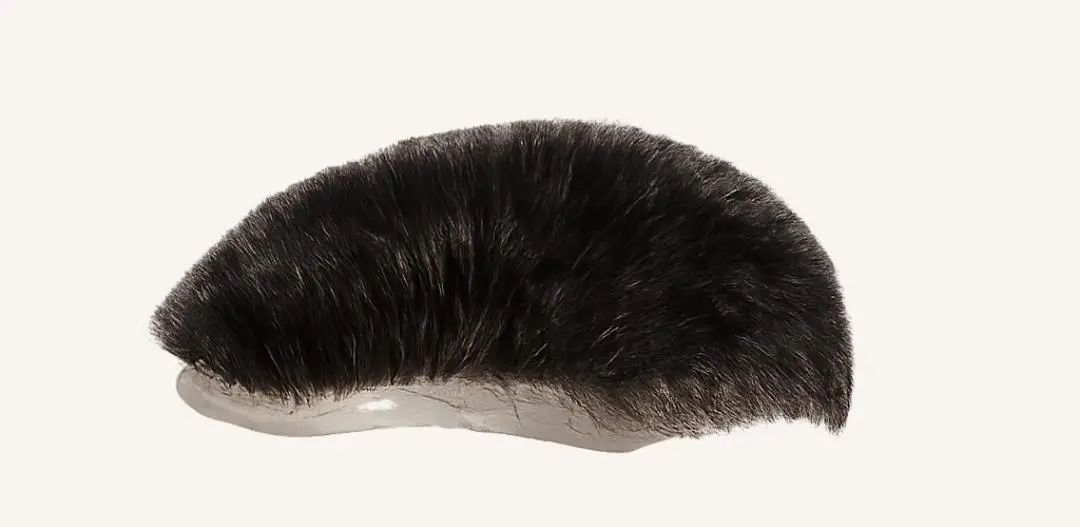
It is one of the more common questions we hear once someone has settled into their system: is it supposed to do that? You brush it, or you wash it, and a few strands come away in your hand. If you have spent years worrying about your own hair thinning, seeing any hair come loose at all can set off the same old alarm. The good news is that a hand-knotted system behaves a lot like real hair here too — a little shedding is completely normal, and there is a clear, simple way to tell it apart from the kind that actually needs attention.
A little shedding is normal
Every hair on a system is individually hand-knotted into the base, strand by strand, rather than glued or woven in as one sheet. During the finishing process a very small number of knots sit a touch looser than the rest, and those are the ones that tend to work free first — almost always within the first couple of weeks of wear, which lines up with what we cover in your first week with a hair system. After that settling-in period, you should expect roughly the same light, everyday shedding you would get from your own head of hair when you brush or wash it — just coming from the unit instead of the scalp.
The sensible comparison is your own natural hair, not a static object. Real hair sheds a small number of strands every single day as part of its normal cycle; a system built from real human hair does the equivalent at the points where it is knotted in. Finding a few strands now and again is a sign the hair is genuine and behaving the way hair actually behaves — not a sign of a fault.
What causes more than normal shedding
When shedding becomes noticeably heavier than that light everyday loss, it is almost always down to one of a few things, rather than anything wrong with the system itself:
- Rough handling: dragging a comb through tangles from the roots, scrubbing in circles while washing, or towel-drying vigorously all put unnecessary strain on the knots.
- High heat: hot water, a hot hairdryer or hot styling tools dry out and weaken real hair exactly as they would your own — see our full hair system care guide for the gentler routine we recommend.
- Product buildup: sweat, styling product or residue left to sit makes the hair more brittle and the knots work loose faster.
- An overdue maintenance visit: the bond is designed to be refreshed every four to six weeks. Left well past that, it can start to lift slightly at the edges, and strands there tend to work loose faster than the rest.
- Picking or pulling at it: fiddling with a loose-feeling edge, or picking at a strand that has already come away, can work more free than would otherwise happen on its own.
Finding a few strands now and then is a sign the hair is real and behaving like hair. A sudden handful, or a bare patch, is a different thing entirely — and worth a call.
How to keep shedding to a minimum
Most of this comes down to the same gentle routine that keeps the rest of your system looking its best, covered in full in our care guide:
- Brush with a loose grip, working from the ends upward rather than dragging from the roots.
- Wash with a gentle, sulphate-free shampoo in lukewarm rather than hot water.
- Pat dry rather than rubbing vigorously, and keep heat tools on a moderate setting.
- Keep to your four-to-six-week studio visit, without exception — this is the single biggest factor, since it is what stops the bond ever getting the chance to lift.
In short
- A small number of loose strands, especially in the first couple of weeks, is normal — the system is behaving like real hair, because it is.
- Heavier shedding usually traces back to rough handling, high heat, product buildup or an overdue maintenance visit, not a fault with the unit.
- Gentle brushing, a sulphate-free wash and keeping your four-to-six-week visit on schedule keep it to a minimum.
- Sudden heavy shedding, or a thinning patch on the unit itself, is worth a call rather than waiting it out.
When to bring it to the studio
It is worth getting in touch rather than waiting if the shedding is sudden or noticeably heavier than normal, if you spot a thinning patch or bare area appearing on the unit itself, or if the early settling-in shedding has not calmed down after a couple of weeks. The same rule applies here as with any other care question: don't try to diagnose or fix it yourself between visits — bring it to us and it is usually a quick, straightforward thing to sort out in person, the same way we would handle any other bond or styling concern.
If you are also wondering whether normal day-to-day wear is doing any harm to your own hair or scalp underneath, our separate guide is a hair system safe? covers that question directly, with the sourced detail behind it. And if what you are noticing is more about the base itself lifting, feeling tight or sitting unevenly rather than loose strands, that is a different question — see signs your hair system isn't fitting right.
Quick answers
Is it normal for a hair system to shed hair? Yes, a little. The hair is hand-knotted strand by strand into the base, and a small number of loose strands working their way free during brushing or washing is normal, just as your own hair sheds daily. It is usually most noticeable in the first couple of weeks, while any loosely-seated knots from the finishing process settle in.
Why is my hair system shedding more than it used to? The most common causes are rough handling — hard brushing, vigorous towel-drying, high heat — or a maintenance visit that has run over. If the bond has had the chance to lift slightly at the edges because it is overdue, strands can work loose there faster than usual. Product buildup making the hair brittle is another common cause.
How can I reduce shedding between maintenance visits? Brush gently with a loose grip from the ends upward rather than dragging from the roots, wash with a sulphate-free shampoo in lukewarm water, pat rather than rub it dry, and keep heat tools moderate. Keeping to your four-to-six-week studio visit matters most of all, since that is what stops the bond ever getting the chance to lift.
When should I bring shedding to the studio rather than wait? Get in touch if shedding is sudden or heavy, if you notice a thinning patch or bare area on the unit itself, or if the early settling-in shedding has not calmed down after a couple of weeks. Bring it to us rather than trying to diagnose or fix it yourself — it is usually a quick thing to sort out in person.
Not sure if what you're seeing is normal?
Bring it up at a free consultation or your next maintenance visit — we'll take a proper look and set your mind at ease either way.
Book a free consultationFind us at our Wolverhampton hair systems studio and our Sedgley studio.